When you enter the rotunda of the National Archives in Washington, D.C., you walk into a room that is dark and quiet.
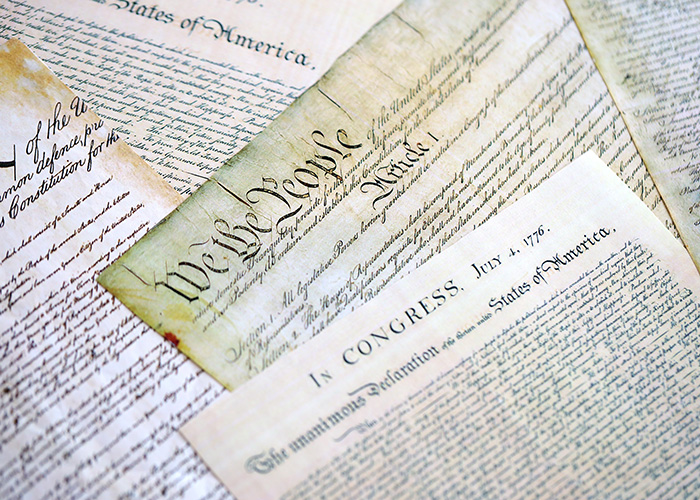
Behind thick glass, the United States Constitution and Declaration of Independence are on display. These are some of the most famous documents in American history, but many visitors are surprised when they see them up close.
They are faint. The ink has faded to a pale brown, and signatures that were once bold are now hard to see. Even with advanced conservation methods, the documents have aged. The parchment has lasted almost 250 years, but time still leaves its mark.
When you stand there, you realize that preserving these records is not easy. Even the nation’s most important documents are at risk as centuries pass.
The mission of the National Archives & Records Administration (NARA) is to preserve the documentary history of the United States for future generations.
Archivists are now asking a big question: How can we preserve knowledge forever?
The mission of preserving records
About 20 years ago, I worked on a digital records project with NARA, and I heard an administrator describe the mission in memorable terms. He told our team our job was to preserve records for “five thousand years after the fall of the Republic.” He was being dramatic, but he was making a point.
Governments change, technologies vanish, and storage devices break down, but the historical record of a civilization should last much longer than any government or technology.
Archivists do more than manage files; they protect society’s memory.
That mindset shapes how modern archives think about digital preservation.
The fragile reality of storage media
One of the main challenges in preserving information is that all storage media created eventually wears out. Each technology offers advantages, but none were designed to last for millennia.
Paper and parchment
Traditional documents on high-quality paper can last for hundreds of years if stored properly. Rag-based paper from earlier times is especially durable, and parchment can last even longer.
However, paper records are always at risk from several threats:
- Exposure to light
- Wear of ink and fibers
- Susceptibility to permanent destruction from environmental factors (like fire, water, and pests)
The fading of the Declaration of Independence is a famous example. Early on, it was displayed in sunlight, which sped up the ink’s deterioration. Even with today’s preservation methods, fading cannot be undone.
Paper can last for centuries, but it will not last forever.
Magnetic Tape
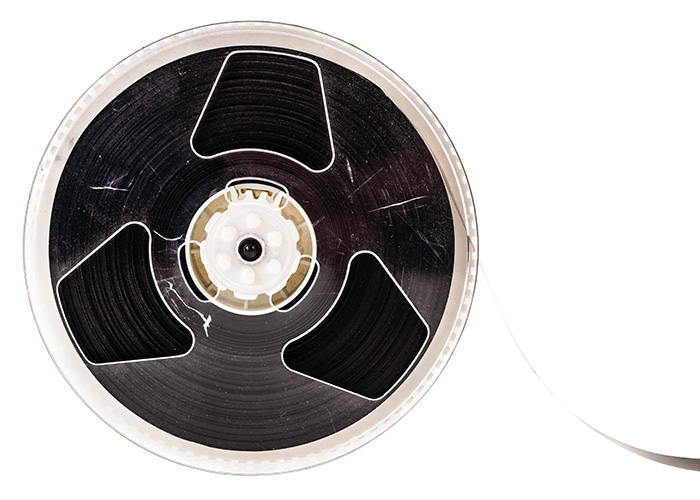
For modern digital archives, magnetic tape has long been a primary storage medium. Large organizations continue to use tape libraries because they offer relatively low cost and efficient storage for large volumes of data.
Under ideal conditions, magnetic tape can last 20 to 30 years.
This means data preservation is a continuous process, not something you do just once.
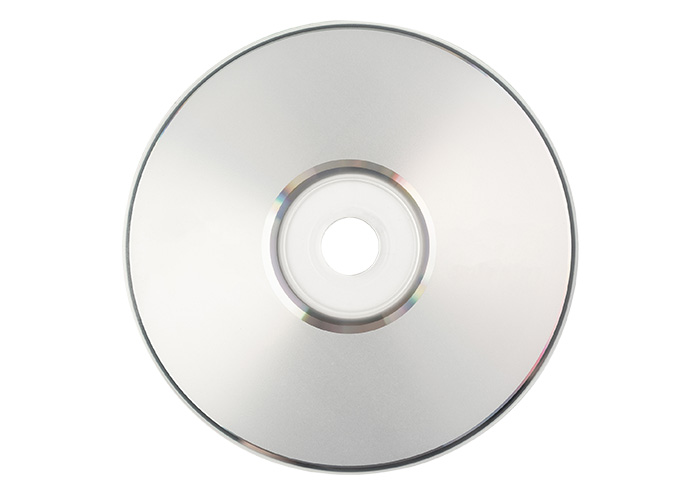
Optical discs
When CDs and DVDs first appeared, many people thought they would last forever. In reality, most optical media breaks down over time because the reflective layers corrode and the recording dyes degrade.
Usually, these discs last between 10 and 100 years, depending on how well they were made and stored. The phenomenon is sometimes referred to as “disc rot,” and it has proven that optical media is far less permanent than once hoped.
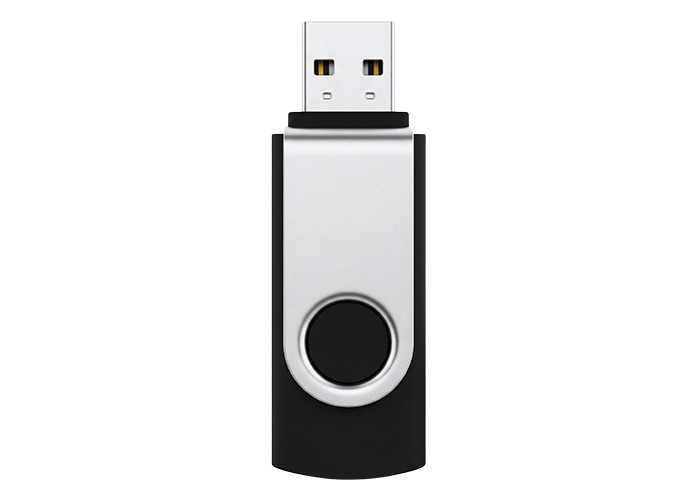
Solid-state storage
Modern solid-state drives use flash memory to store digital data as electrical charges. These drives are fast and efficient, making them great for computers.
Flash memory is not designed for long-term archival storage. If left without power, consumer-grade stored data can begin to degrade after about 5 to 10 years.
Solid-state drives require regular maintenance and occasional data rewriting to remain safe in the long term.
A new idea: storing data in glass
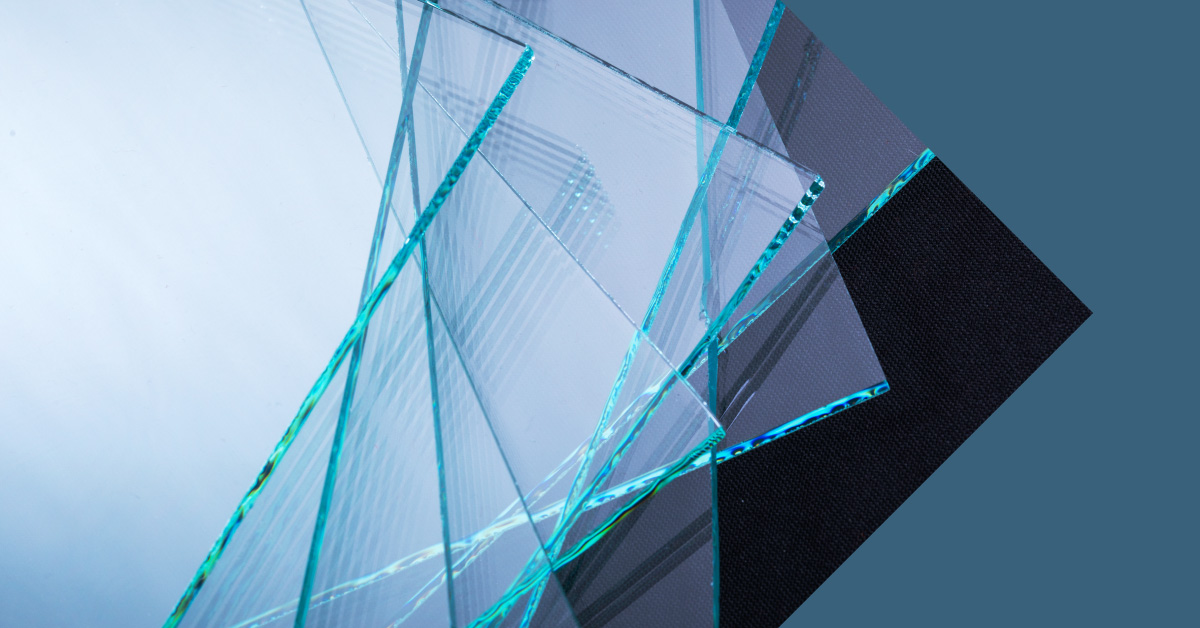
Recently, Microsoft researchers have been working on a very different way to store archives, called Project Silica. Project Silica is a breakthrough technique that involves storing data physically inside glass, called phase voxels. Scientists use very short laser pulses to create tiny structures inside quartz glass. These structures store data based on their direction, depth, and position.
The finished storage medium looks like a small, clear piece of glass.
To read the data, optical systems capture images of the tiny patterns, and software reconstructs the original digital information. Unlike other storage methods, the information is built right into the glass’s structure.
Why glass could transform archives
Glass has several features that make it especially good for long-term storage.
Durability
Glass storage can survive conditions that would ruin most other technologies. It resists heat, water, electromagnetic interference, and magnetic fields.
Since the data is stored physically in the glass, there is no magnetic signal to fade and no electrical charge to lose.
Longevity
Lab tests show that glass storage could keep information safe for thousands of years if conditions are stable. This long lifespan makes digital storage seem more like ancient stone or clay tablets.
For archives seeking to preserve cultural memory for the long term, this is an exciting possibility.
Passive preservation
Another benefit of glass storage is that it does not need electricity to keep the data safe.
Cloud storage requires constant power and cooling, while tape systems require regular maintenance. In contrast, glass media can simply sit on a shelf until someone needs the data. For records that are rarely used but must never be lost, passive storage could be very valuable.
The limits of glass
Even if glass storage becomes common, one challenge will still exist.
People in the future will still need to know how to read the data. A piece of glass containing encoded bits is only useful if the instructions for decoding those bits survive as well. Archivists must therefore preserve not only the data itself but also the metadata, file formats, and technical documentation required to interpret it.
Long-term preservation involves tough storage media while also keeping the knowledge necessary to be able to read what has been saved.
Thinking in centuries
The administrator who once joked about preserving records for 5,000 years after the fall of the Republic was expressing a fundamental truth about archival work: civilizations come and go, and technology changes quickly, but people’s curiosity about the past remains. And thousands of years from now, someone might still be able to read them.
As a Microsoft Solutions Partner, Arctic IT Government Solutions closely follows Microsoft’s research and development (R&D), which is always at the forefront of technological innovation. We partner with Microsoft to build scalable, innovative cloud solutions designed for the unique needs of our federal clients.
In tandem, initiatives like Project Silica also align with the mission and values of our parent company, Doyon, Limited. Seventh-generation planning is a principle originating from many Indigenous traditions that urges leaders to consider how decisions made today will impact descendants seven generations from now. Doyon, Limited operates with a long view mindset deeply rooted in Athabascan values, where success is measured not just in quarterly returns but in the wellbeing of future generations. For Doyon, this is evident in how they steward land, invest in sustainable businesses, and prioritize cultural preservation alongside economic growth.
Along with our federal partners, we approach each project with a unique long-term perspective: Will this still serve our people long after we are gone?
At Arctic IT Government Solutions, we make it our mission to transform government through IT modernization. If you’re ready to get the conversation started, connect with us today.

By Michael Sellers, Account Executive at Arctic IT Government Solutions